
Tooth extraction — gentle, careful care
Extract teeth too damaged to restore — deeply decayed, broken or loose — by dentists, planned with an X-ray and done under local anaesthetic with little pain, social-security benefit accepted, at 14 branches beside the BTS/MRT.
Free case assessment · we reply within business hours

When should a tooth be extracted?
Extraction is the last resort when a tooth is too damaged to restore — decayed to the root, broken below the gum, or loose from advanced gum disease. Removing a tooth that should come out stops inflammation and prevents it spreading to the neighbouring teeth.
The dentist examines and X-rays the root first, works under local anaesthetic so there is little pain, and recommends how to replace the missing tooth — an implant, bridge or denture — once the wound has healed.

Extraction types and prices
The price depends on the tooth position and difficulty — confirmed before every case
Anterior Extraction
A single-rooted front tooth, straightforward to remove
Premolar Extraction
A premolar that takes a little more force and time than a front tooth
Posterior Extraction
A multi-rooted molar needing more technique and time
* Prices are indicative ranges; the actual fee depends on your individual case — See the full price list →
Why patients choose Skytrain for extractions
The same standard of care across all 14 branches
The dentists who provide extractions
Specialist dentists who can care for you across our 14 branches
 General Dentist
  General Dentist
  General Dentist
 General Dentist
  General Dentist
  General Dentist
  General Dentist
 Book / Enquire
Open daily 11.00-20.00
The tooth extraction process
Every step is explained in advance — what we'll do, how long it takes and the cost, with no add-ons along the way
Frequently asked questions
Does an extraction hurt?
Do I need to replace the tooth?
Is it covered by social security?
How do I care for the wound?
When does a tooth need to be extracted?
Extraction is considered when a tooth is too damaged to save — deep, spreading decay, a fracture into the root, looseness from advanced gum disease, or to prepare the mouth before braces. The dentist always tries to save the tooth first if it can still be treated.
Does extraction hurt?
It is done under local anaesthetic, so you feel no pain during the procedure — perhaps some pressure. After the anaesthetic wears off there may be mild soreness that eases with the recommended pain relief.
Aftercare following an extraction
Bite firmly on gauze for about 30–60 minutes to stop bleeding, avoid vigorous rinsing, don't suck the socket and don't smoke on the first day, eat soft food and avoid chewing on that side. The site usually improves within a few days.
Should I replace the tooth afterwards?
A missing tooth — especially a molar — left too long can let neighbouring teeth tilt and the opposing tooth over-erupt, so it is worth discussing a replacement such as an implant, bridge or denture as appropriate.
Is extraction covered by social security?
Extraction falls under the social-security dental benefit and can be used per the conditions. Tell our staff before treatment so we can check your entitlement and any top-up.



Branches Across Bangkok
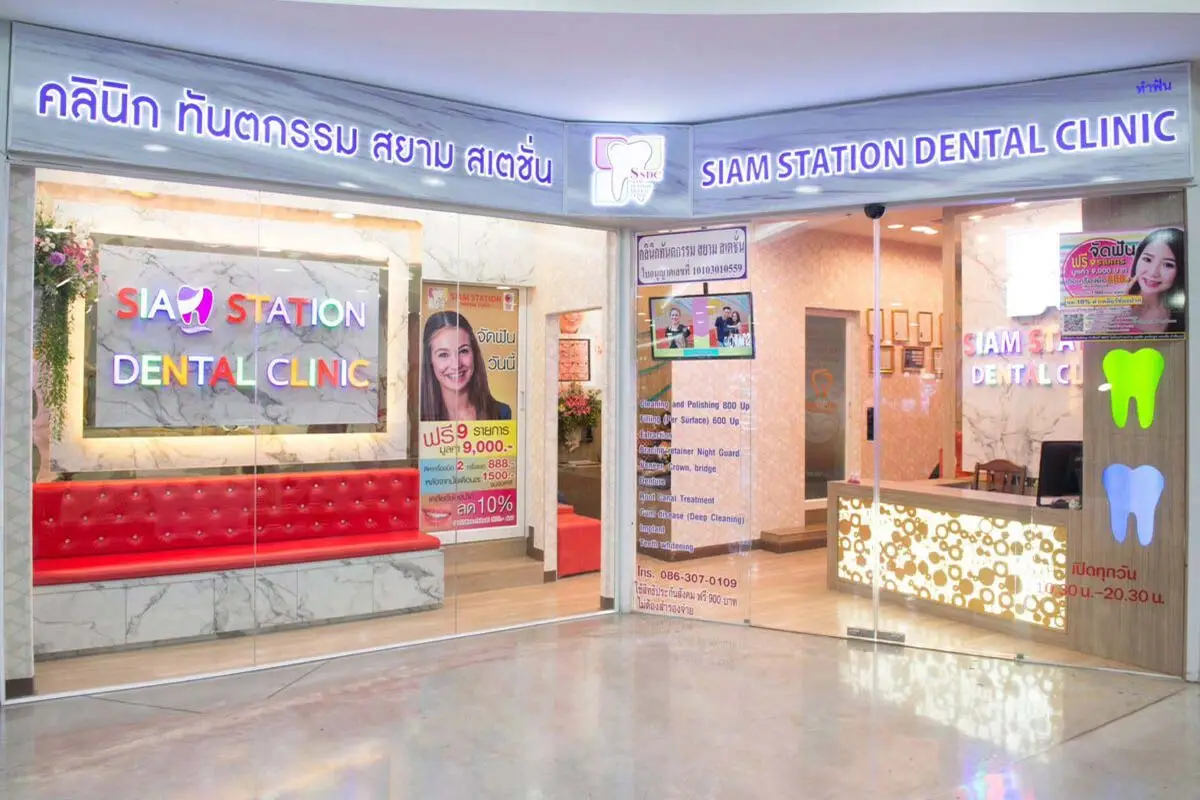
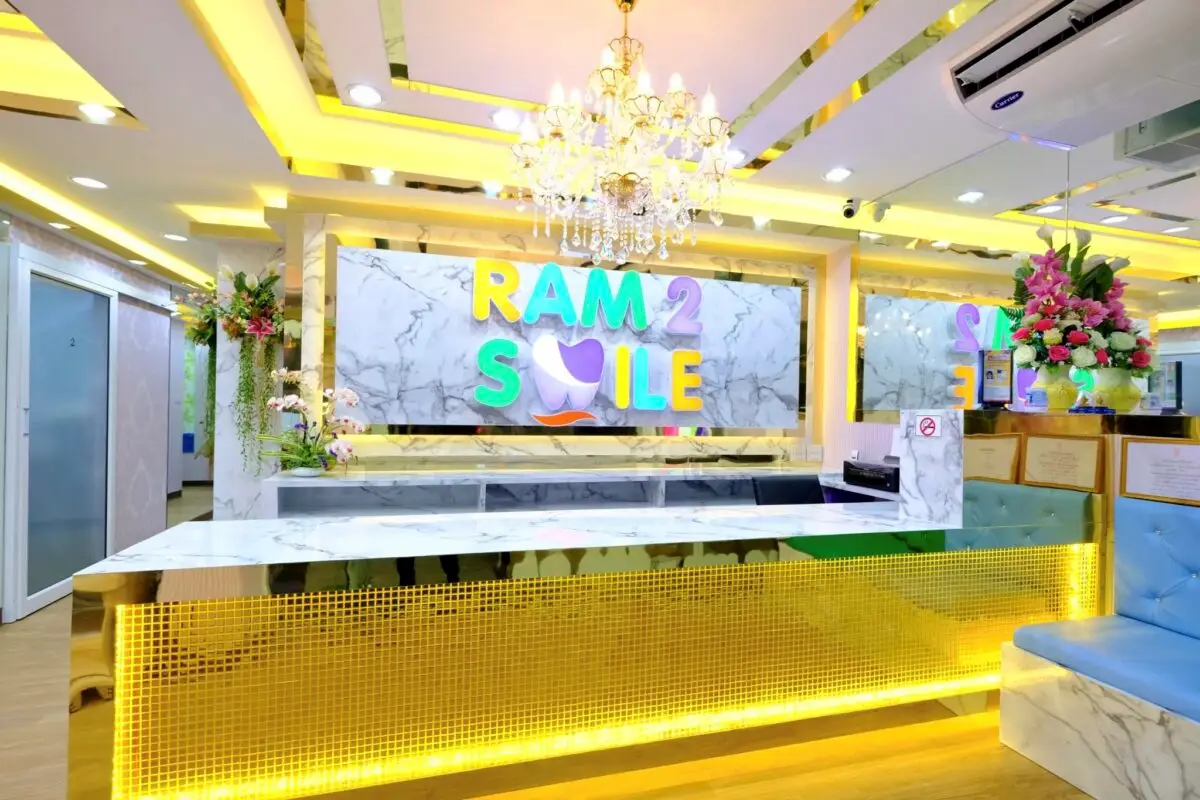
14 branches next to BTS/MRT lines — choose the one nearest you.












Not sure whether to save or extract this tooth?
Send a photo or describe your symptoms via LINE and our dental team will give an initial assessment and recommendation, free of charge.
Appointment & enquiry
Leave your details and our team will call you back.